

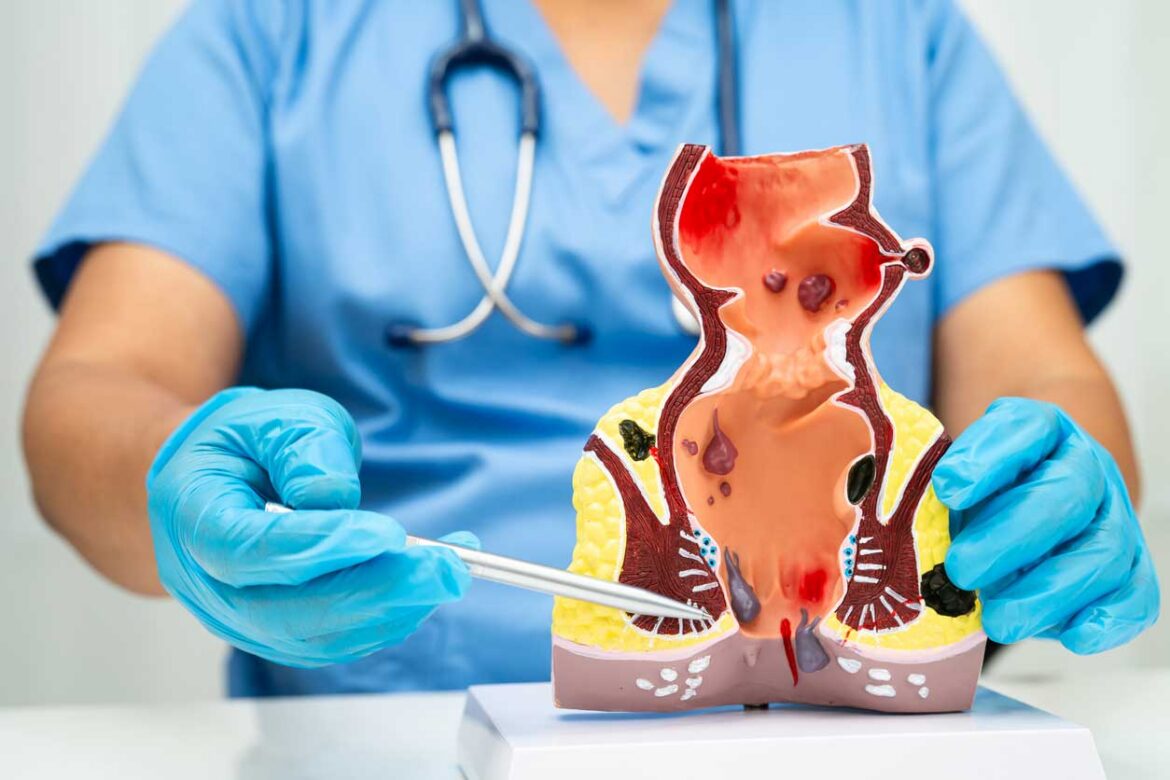


For patients struggling with chronic hemorrhoids, deciding what treatment to pursue can feel overwhelming. Many people spend months or even years trying conservative treatments such as fiber supplements, stool softeners, creams and sitz baths before seeking a more permanent solution. Once these methods stop providing relief, surgery is often presented as the next step.
However, surgery is not the only option.
Today, patients may have access to hemorrhoid artery embolization (HAE), a minimally invasive procedure that treats internal hemorrhoids without removing tissue or operating through the anal canal. While hemorrhoidectomy remains an effective treatment for many patients, particularly those with advanced disease, hemorrhoid embolization offers an alternative that may provide symptom relief with less downtime and discomfort.
Understanding the differences between hemorrhoid embolization and hemorrhoid surgery can help you determine which treatment may be the best fit for your needs.
Understanding Internal Hemorrhoids
Hemorrhoids are swollen blood vessels located in the rectum or anus. Internal hemorrhoids develop inside the rectum and may cause symptoms such as:
- Rectal bleeding
- Itching
- Discomfort during bowel movements
- Tissue prolapse
- Mucus discharge
- A feeling of incomplete evacuation
Internal hemorrhoids are generally classified into four grades based on severity.
- Grade 1: Hemorrhoids are enlarged but remain inside the rectum.
- Grade 2: Hemorrhoids prolapse during bowel movements but return on their own.
- Grade 3: Hemorrhoids prolapse and must be manually pushed back inside.
- Grade 4: Hemorrhoids remain prolapsed and cannot be repositioned.
The grade of your hemorrhoids often plays a major role in determining the most appropriate treatment.
What Is Hemorrhoid Artery Embolization?
Hemorrhoid artery embolization is a minimally invasive procedure performed by an interventional radiologist.
Rather than removing hemorrhoidal tissue, the procedure targets the blood vessels that supply the hemorrhoids. By reducing blood flow to these vessels, the hemorrhoids gradually shrink, which can reduce symptoms such as bleeding, swelling and discomfort.
During treatment, a small catheter is inserted through an artery in the wrist or upper thigh. Using advanced imaging guidance, the physician navigates the catheter to branches of the superior rectal artery that feed the hemorrhoids. Tiny coils or particles are then placed into these vessels to reduce blood flow.
The procedure is performed through a tiny puncture site and does not require incisions, stitches or tissue removal.
What Is Hemorrhoidectomy?
Hemorrhoidectomy is a surgical procedure that removes hemorrhoidal tissue.
It is considered one of the most effective treatments for severe hemorrhoids and is commonly recommended for patients with advanced prolapse or large external hemorrhoids.
During the procedure, a colorectal surgeon removes the affected hemorrhoidal tissue and addresses the underlying structures causing symptoms. Depending on the patient and surgical approach, local, spinal or general anesthesia may be used.
While hemorrhoidectomy can provide long-lasting relief, it is generally associated with a more involved recovery period than minimally invasive treatments.
Hemorrhoid Embolization vs. Hemorrhoidectomy
Both procedures are designed to relieve hemorrhoid symptoms, but they differ significantly in how they achieve that goal.
Procedure Approach
Hemorrhoid embolization treats the arteries supplying blood to the hemorrhoids. The hemorrhoidal tissue remains in place but gradually shrinks as blood flow decreases.
Hemorrhoidectomy physically removes hemorrhoidal tissue. Because tissue is excised, the procedure directly addresses prolapse and large hemorrhoids.
Anesthesia Requirements
HAE is typically performed using local anesthesia with mild sedation.
Hemorrhoidectomy may require general anesthesia, spinal anesthesia or deeper levels of sedation depending on the surgical plan.
Pain and Discomfort
Because embolization does not involve cutting or removing tissue, most patients experience relatively little discomfort following treatment.
Hemorrhoidectomy involves operating within a highly sensitive area of the body. As a result, postoperative pain can be more significant, particularly during bowel movements.
Recovery Time
Patients undergoing hemorrhoid embolization typically return home the same day and often resume normal activities within a few days.
Recovery from hemorrhoidectomy is generally longer. Many patients require several weeks before returning to their usual routines, and complete healing may take longer depending on the extent of the procedure.
Treatment Goals
HAE is designed to reduce blood flow and shrink internal hemorrhoids over time.
Hemorrhoidectomy removes hemorrhoidal tissue and may provide more immediate structural correction for severe prolapse.
Who Is a Good Candidate for Hemorrhoid Embolization?
Hemorrhoid artery embolization is often most effective for patients with symptomatic internal hemorrhoids who want to avoid surgery.
You may be a good candidate if:
- You Have Grade 1, 2 or 3 Internal Hemorrhoids: Patients with mild to moderate prolapse often experience the greatest benefit from embolization.
- Rectal Bleeding Is Your Primary Symptom: Many patients seek treatment because of chronic bleeding. HAE directly targets the blood vessels responsible for these symptoms.
- Conservative Treatments Have Failed: Patients who continue experiencing symptoms despite fiber supplementation, dietary changes, creams or banding procedures may benefit from embolization.
- You Prefer a Minimally Invasive Procedure: Many patients choose HAE because it avoids surgical incisions and tissue removal.
- You Want to Minimize Recovery Time: For individuals with work, family or travel obligations, a shorter recovery period can be an important consideration.
Who May Be Better Served by Hemorrhoid Surgery?
While embolization can be highly effective for appropriate candidates, surgery remains the preferred option for certain patients.
- Grade 4 Hemorrhoids: Large, permanently prolapsed hemorrhoids often require surgical correction.
- Significant External Hemorrhoids: External hemorrhoids have a different blood supply and may not respond as effectively to embolization.
- Advanced Prolapse: When structural correction is needed, surgery may provide a more definitive solution.
- Recurrent Symptoms After Multiple Treatments: Patients who have undergone several prior interventions without lasting improvement may benefit from surgical management.
Why Patients in Orange County Choose Us
Orange County Hemorrhoid Clinic brings together surgical and minimally invasive expertise under one roof. Dr. Gene Syn is a board-certified colorectal surgeon who specializes in the diagnosis and treatment of hemorrhoidal disease, while Dr. Kevin Burns is a board-certified, fellowship-trained interventional radiologist who performs hemorrhoid artery embolization and other image-guided procedures.
This collaborative approach allows patients to receive a comprehensive evaluation and explore both surgical and non-surgical treatment options before making a decision. Every patient undergoes a thorough candidacy assessment, including a review of symptoms, prior treatments and hemorrhoid severity. Because we offer multiple treatment pathways, our recommendations are based on what is most appropriate for the patient rather than a single treatment approach.
Explore Your Hemorrhoid Treatment Options in Orange County
Living with hemorrhoids can affect your comfort, confidence and quality of life. Fortunately, effective treatment options are available. Whether you are interested in a minimally invasive procedure like hemorrhoid artery embolization or need a more definitive surgical solution, a personalized evaluation can help determine the best approach for your symptoms.
At Orange County Hemorrhoid Clinic, patients have access to both hemorrhoid embolization and hemorrhoidectomy, allowing for treatment recommendations based on the severity of the condition, treatment goals and overall health. Call 949-919-6169 or book online to learn more.