

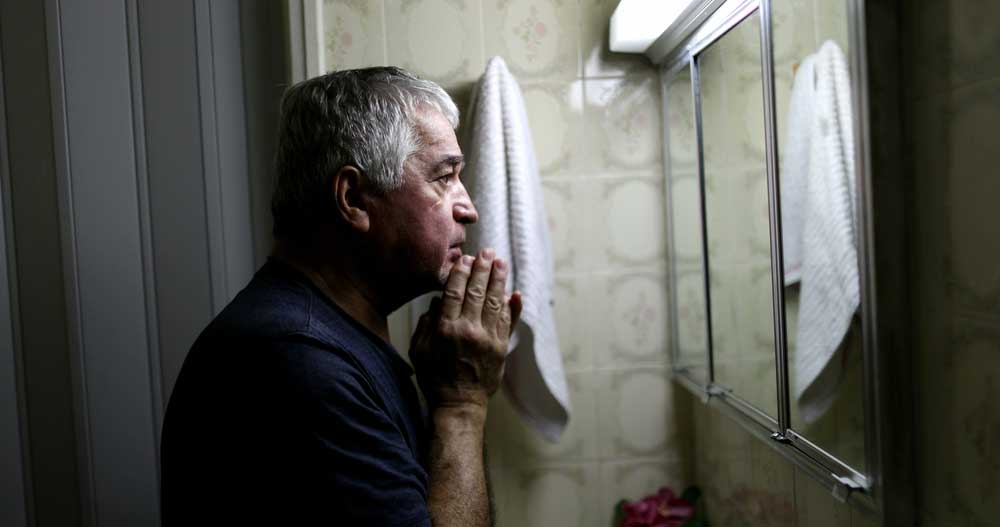


Hemorrhoids have a way of taking over parts of daily life. You skip a workout, choose an aisle seat on a flight or keep a cushion in the car without really thinking about why. Each small adjustment feels manageable on its own, but over weeks and months, they add up to a quality of life you didn’t choose.
Knowing when to treat hemorrhoids instead of just living with them isn’t always obvious. Many people wait months or years to seek help, often assuming surgery is the only next step when home remedies stop working. At Orange County Hemorrhoid Clinic, we help patients understand when symptoms can still be managed at home and when they may benefit from professional treatment, including non-surgical options that can often provide lasting relief.
Mild Hemorrhoids vs. Hemorrhoids That Need Treatment
Internal hemorrhoids are graded on a scale of one to four based on severity and whether they prolapse, meaning they bulge outside the anus.
- Grade 1: Stay internal and may bleed occasionally, without prolapsing
- Grade 2: May prolapse during a bowel movement but retract on their own
- Grade 3: Prolapse and need to be pushed back into place manually
- Grade 4: Are permanently prolapsed and won’t retract, even with manual pressure
Grade alone doesn’t tell the whole story. A grade 1 hemorrhoid that bleeds every week deserves more attention than a grade 2 that flares up once a year. What matters more than the label is the pattern: how often symptoms appear, how much they interfere with daily life and whether they’re getting better or worse over time.
Hemorrhoids are also far more common than most people realize. According to the National Institute of Diabetes and Digestive and Kidney Diseases, they affect about 1 in 20 Americans, and roughly half of adults over age 50 have dealt with them at some point. If you’re living with this, you’re in the company of a large number of people who rarely bring it up.
Signs You Need Hemorrhoid Treatment
There’s no single symptom that means surgery is next. But a few patterns tend to show up in patients who are ready to move past home care.
Recurring Bleeding
A single spot of blood after a hard bowel movement isn’t automatically alarming. Bleeding that shows up week after week, even in small amounts, is worth having evaluated. Any rectal bleeding should be checked by a physician, since hemorrhoids aren’t the only possible cause, and conditions like polyps or inflammatory bowel disease can present with similar symptoms.
Symptoms That Shape Your Schedule
Choosing an aisle seat, avoiding certain workouts or timing your morning around when the bathroom is free are all signs that symptoms have outgrown home management.
Home Treatments That Have Stopped Working
Fiber, sitz baths and over-the-counter creams help many people, especially early on. If you’ve given these a genuine trial of several weeks without improvement, that plateau is meaningful information.
Prolapse That Won’t Stay In Place
Tissue that needs to be pushed back in, or that no longer retracts on its own, typically points to a more advanced grade that needs a procedural solution rather than more time.
Fatigue, Paleness Or Shortness Of Breath
Chronic blood loss, even in small amounts, can lead to iron deficiency over months or years. If you’ve noticed fatigue alongside ongoing hemorrhoid symptoms, mention both to your doctor.
Why Patients Wait Longer Than They Should
Embarrassment plays a bigger role in this decision than most people admit. A 2025 study published in the Journal of Clinical Medicine found that only about 30.8% of people with hemorrhoidal symptoms had ever sought medical advice for them, and interestingly, the presence of rectal bleeding wasn’t a strong predictor of who actually went to a doctor. In other words, many people learn to live with a symptom that their own physician would want to know about.
Part of the hesitation also comes from the assumption that treatment automatically means surgery. That assumption is outdated. Most patients today have several non-surgical paths available before hemorrhoidectomy ever enters the conversation. Many patients have simply never heard of options like embolization or heat energy therapy, so surgery is the only reference point they have. Once patients understand the full range of what’s available, scheduling an evaluation tends to feel far less daunting.
Waiting also tends to make the eventual conversation harder. Symptoms that have been present for years are often more advanced by the time a patient finally comes in, which can narrow the list of appropriate treatments. Bringing symptoms up earlier, even mild ones, generally means more options rather than fewer.
What Happens Once You Decide to Treat
Getting ready for treatment starts with a conversation, not a commitment to any single procedure. A doctor can walk you through which option fits your situation.
At Orange County Hemorrhoid Clinic, that conversation starts with a straightforward in-office exam to confirm the grade and pattern of your hemorrhoids. We’ll also ask how long symptoms have been present, what you’ve already tried at home and how they’re affecting your daily routine, since that context shapes which treatment makes the most sense. There’s no pressure to commit to a procedure at this first visit. The goal is simply to give you an accurate picture of where you stand and what your realistic choices are.
Depending on severity, options may include:
- Rubber band ligation: A small band is placed at the base of the hemorrhoid to cut off its blood supply, causing it to wither and fall off within about a week. It requires no anesthesia, can be done in minutes and is effective in roughly 80% of appropriate cases.
- Infrared coagulation: A small probe delivers infrared light to create scar tissue that cuts off blood flow to the hemorrhoid. Sessions typically take under ten minutes and work well for smaller hemorrhoids, though more than one session may be needed.
- Heat energy therapy: Low-grade heat is applied near the hemorrhoid to reduce blood flow and inflammation. It’s typically done in a single session, with patients returning to normal activity the same day.
- Hemorrhoid artery embolization (HAE): A board-certified interventional radiologist threads a small catheter through the wrist or upper thigh to reduce blood flow to the hemorrhoidal tissue, with no cutting, banding or trauma to the rectum itself.
Surgical hemorrhoidectomy remains an option too, generally reserved for advanced grade 3 and 4 cases or situations where less invasive treatments haven’t provided lasting relief.
A Simple Self-Check Before Your Appointment
If you’re still on the fence, ask yourself these questions honestly:
- Have my symptoms lasted longer than a week or two?
- Have I noticed bleeding more than once?
- Have I changed my daily routine, exercise habits or travel plans because of this?
- Have home remedies failed to help after a genuine trial period?
- Am I avoiding this conversation out of embarrassment rather than because I think it isn’t a big deal?
Answering yes to two or more of these is a reasonable signal that it’s time to schedule an exam rather than wait it out further. A few extra weeks of “let’s see if it clears up” rarely change the outcome and often just extend the discomfort.
Why Orange County Residents Choose Us For This Decision
This decision is easier when the person examining you can offer every option, not just the one they happen to perform.
Dr. Gene Syn, a fellowship-trained colorectal surgeon with more than 20 years of experience and Dr. Kevin Burns, a board-certified interventional radiologist who trained at Brown University, NYU School of Medicine and MD Anderson Cancer Center, work together at our practice to cover the full range of surgical and non-surgical hemorrhoid care under one roof. Dr. Burns grew up in nearby Laguna Niguel and has focused his career on bringing minimally invasive hemorrhoid treatment to patients in Southern Orange County who might otherwise assume surgery is their only path forward.
Because both specialties are represented in-house, your treatment plan gets built around your anatomy and your preferences rather than around whichever single procedure one doctor happens to offer. You will hear it plainly if HAE is the better fit for your case, or if a simpler in-office procedure would solve the problem just as well.
We see patients at three Orange County locations, in Lake Forest, Irvine and Mission Viejo, Monday through Friday, and we accept most PPO insurance plans as well as Medicare. Once you’ve decided treatment makes sense, getting an appointment nearby shouldn’t be another barrier.
Schedule a Consultation For Hemorrhoid Treatment
Hemorrhoids are widespread, but that’s no reason to keep working around them indefinitely. A short consultation can tell you exactly where you fall on the spectrum and what your realistic options are, without any commitment beyond that first conversation. For long-term prevention, once your symptoms are under control, our guide to hemorrhoid prevention covers daily habits that help keep them from returning.
Call Orange County Hemorrhoid Clinic at (949) 919-6169 or schedule a consultation online. A consultation includes a symptom review and an honest answer about which treatment path, if any, is right for you.